You've probably had this thought while paying your accountant's invoice. The software keeps getting smarter, and ChatGPT can explain depreciation in plain English. So why keep paying a human?
Our answer is that AI won't replace accounting services. It can take over parts of the workload, but the core of the work stays human for practical reasons, not philosophical ones.
Where AI Actually Excels
AI handles the repetitive layer of accounting well.
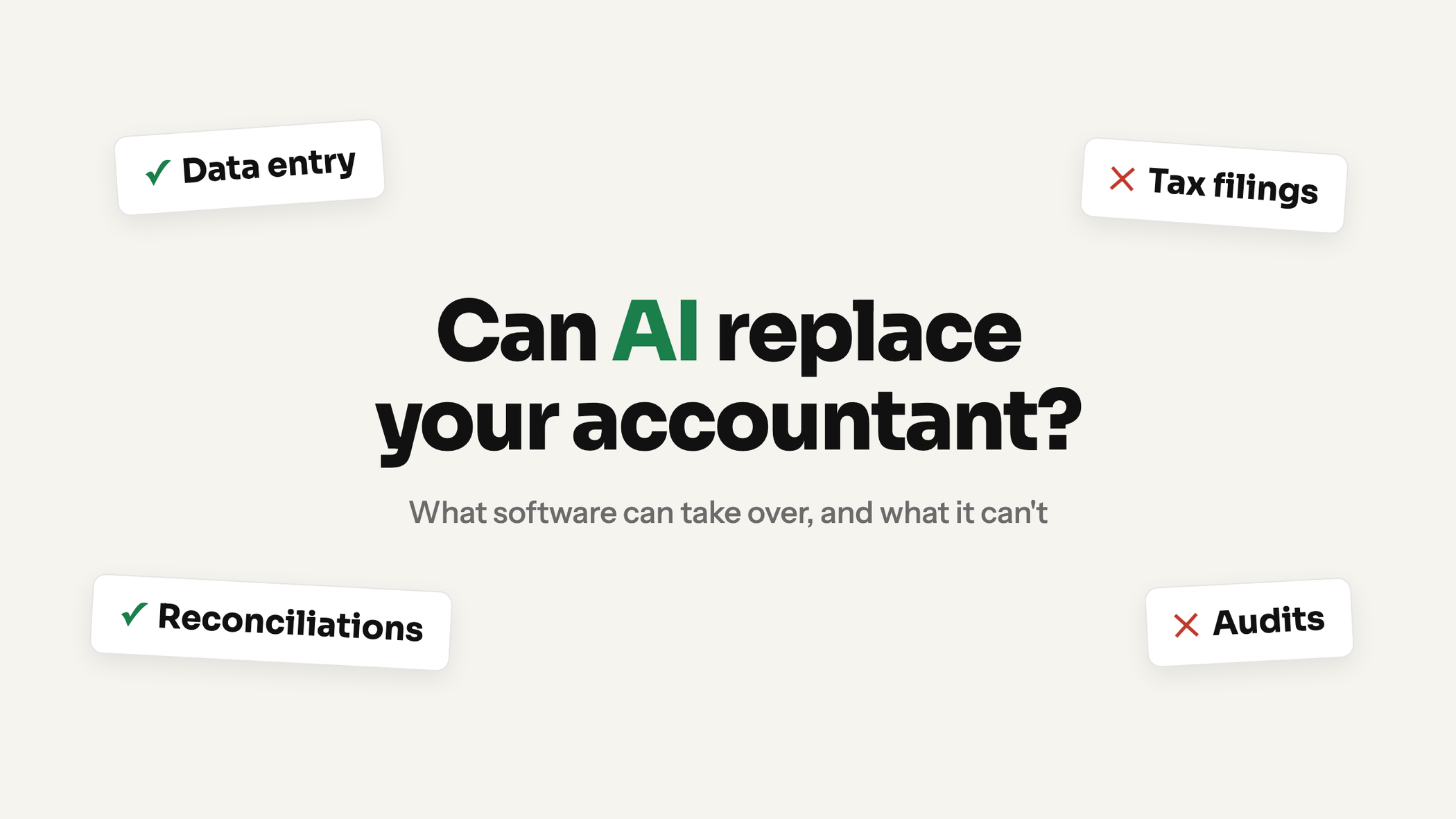
- Data entry. Receipts and invoices get processed in minutes instead of hours.
- Invoice processing and accounts payable. This is the most common automation, used by 31% of organizations.
- Reconciliations. Matching transactions is exactly the kind of rule-following work software does well.
- First-draft reports. AI pulls numbers into readable summaries fast.
If your accountant spends ten hours a month keying in receipts, automate that tomorrow. You'll both be happier.
Above that line, things get risky fast.
The Hallucination Problem Is Not Overstated
AI tools generate answers based on probability, and in accounting that is a liability. They sometimes produce figures and facts that look right and aren't, which is what people mean when they say an AI "hallucinated."
The dangerous part is how plausible the errors look. A payment amount off by one digit sits quietly in a clean table. AI can report the correct metric for the wrong fiscal year, confuse millions with billions, or mix currencies. No formatting error flags it, and only a trained person catches it.
Treat every AI-generated number the way you'd treat a junior preparer's work, and check it before you file.
Regulations Don't Care How Smart Your Software Is
Accounting standards, tax codes and industry-specific rules change constantly. AI can follow existing rules, but it struggles with interpretation when the rules shift or an edge case appears.
When a filing goes wrong, the responsibility lands on a person. If your return is wrong, the IRS holds you responsible for it, even if software produced the number. Professional judgment, ethical accountability and legal responsibility all rest with people.
Your Business Is Not a Template
Good accounting services run on context. That means your cash flow quirks, the equipment purchase you're weighing against a tax deadline, and the partner buyout nobody has put in writing yet.
Experienced accountants carry something researchers call professional skepticism, the instinct to pause and dig deeper when a number feels off. That instinct comes from years of working through ambiguous situations, and it doesn't live in training data.
Finance professionals feel this too. In the same industry survey, 35% of finance team members named fear of errors as a major concern about adopting AI. The people accountable for accuracy every day are the ones who trust the technology least.
Business owners also want more than answers. They want a trusted advisor who turns numbers into decisions, and that relationship is hard to automate.
Augment, Don't Replace
Use AI for the grunt work. Let it process receipts, match transactions and draft reports. Keep a qualified person on everything involving tax filings, compliance, audits and strategic decisions. The businesses doing this well let software handle speed and let their accountant handle judgment and accountability.
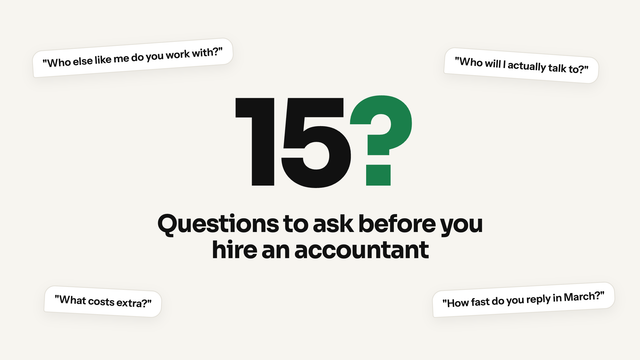
Your accountant gets more valuable in this setup, because the hours once spent on data entry now go toward advice that actually moves your business. If you're not sure what to ask when you start looking, we put together a list of questions to ask before you hire an accountant.
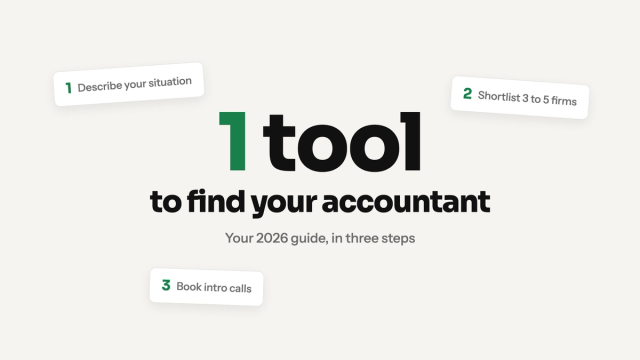
Ready to find that person? You can search HireMyAccountant and find a professional who fits your industry, your size and your situation.